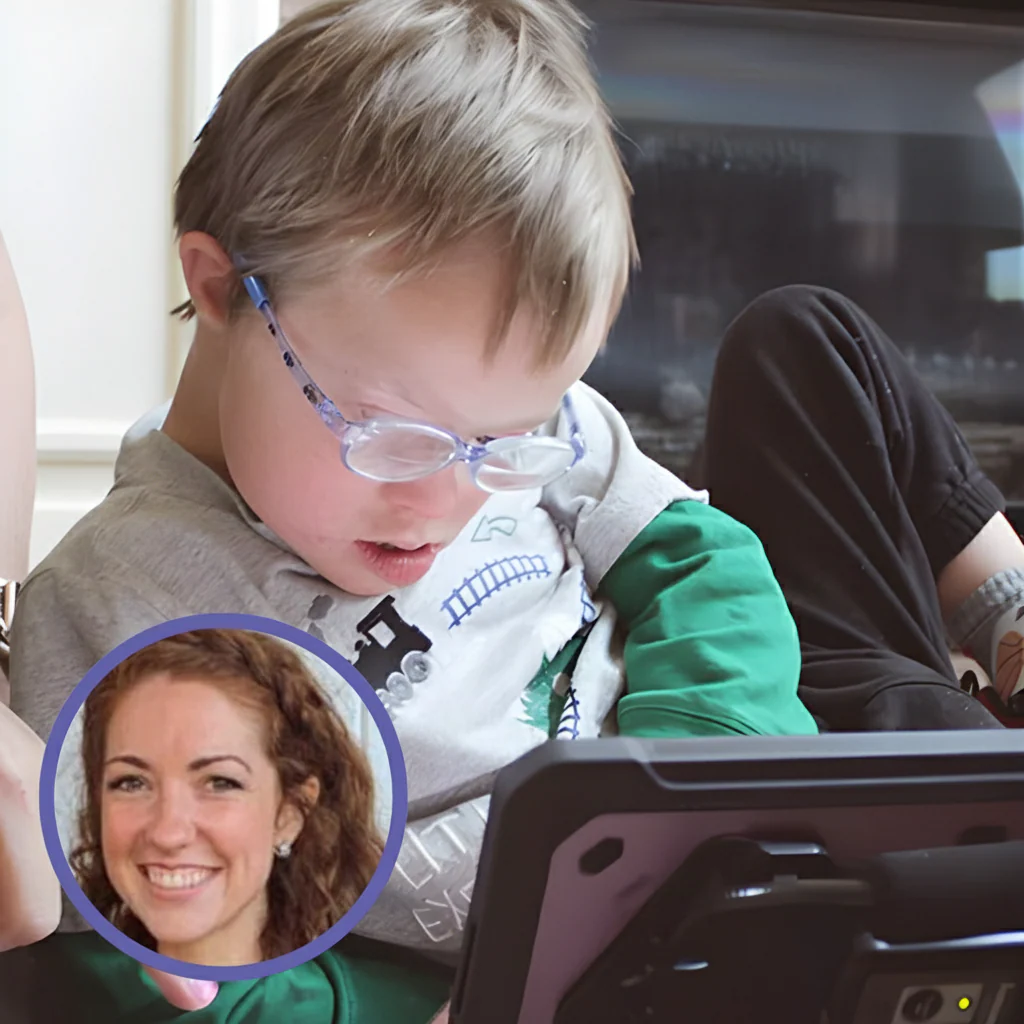
AAC Implementation for Complex Communication Needs
This presentation will discuss the challenges and best practices associated with implementing Augmentative and Alternative Communication (AAC) strategies for individuals with complex communication needs. It begins by defining AAC and highlighting its importance for people with developmental disabilities, neurological impairments, and communication disorders.
The challenges associated with AAC implementation, including limited training for professionals and families, inadequate access to resources, funding shortages, and insufficient support from the community and educational systems, will be discussed.
The presentation will then identify several best practices for successful AAC implementation, including involving individuals with complex communication needs in decision-making, providing comprehensive training for professionals and families, adopting a multidisciplinary team approach, providing access to a range of AAC devices and resources, and advocating for AAC implementation at the community and educational levels.
The benefits of successful AAC implementation, including improved communication abilities, increased social engagement, higher levels of self-esteem, and better cognitive, social, and emotional growth, will be highlighted. The conclusion will provide guidance for professionals in speech-language pathology, occupational therapy, and special education, as well as family members and caregivers, on how to effectively implement AAC strategies for individuals with complex communication needs.
Product Information
Product Information
Shipping & Returns
Shipping & Returns
Description
This presentation will discuss the challenges and best practices associated with implementing Augmentative and Alternative Communication (AAC) strategies for individuals with complex communication needs. It begins by defining AAC and highlighting its importance for people with developmental disabilities, neurological impairments, and communication disorders.
The challenges associated with AAC implementation, including limited training for professionals and families, inadequate access to resources, funding shortages, and insufficient support from the community and educational systems, will be discussed.
The presentation will then identify several best practices for successful AAC implementation, including involving individuals with complex communication needs in decision-making, providing comprehensive training for professionals and families, adopting a multidisciplinary team approach, providing access to a range of AAC devices and resources, and advocating for AAC implementation at the community and educational levels.
The benefits of successful AAC implementation, including improved communication abilities, increased social engagement, higher levels of self-esteem, and better cognitive, social, and emotional growth, will be highlighted. The conclusion will provide guidance for professionals in speech-language pathology, occupational therapy, and special education, as well as family members and caregivers, on how to effectively implement AAC strategies for individuals with complex communication needs.