Caregiver Training through Telepractice: Addressing Food Overselectivity in Young Children
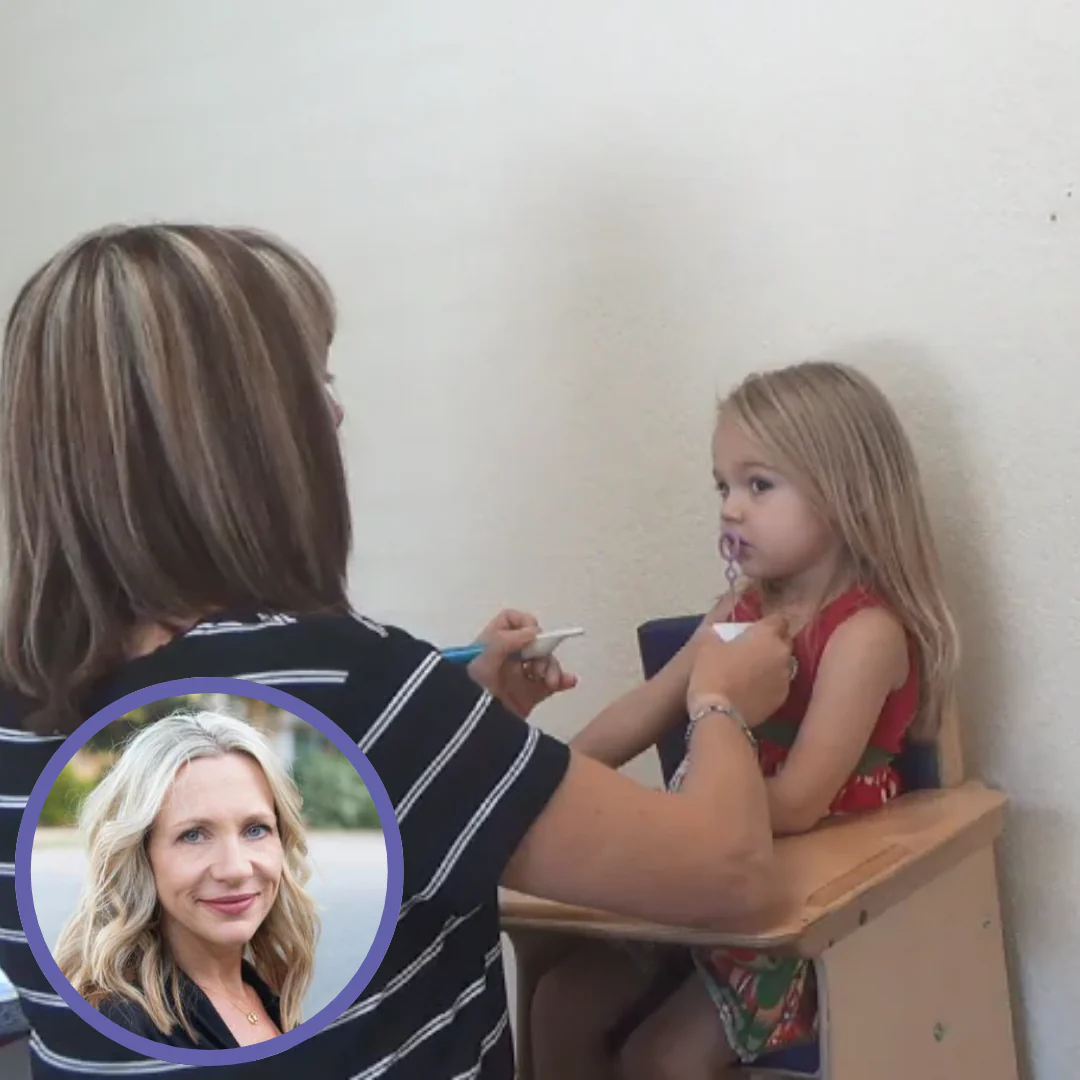
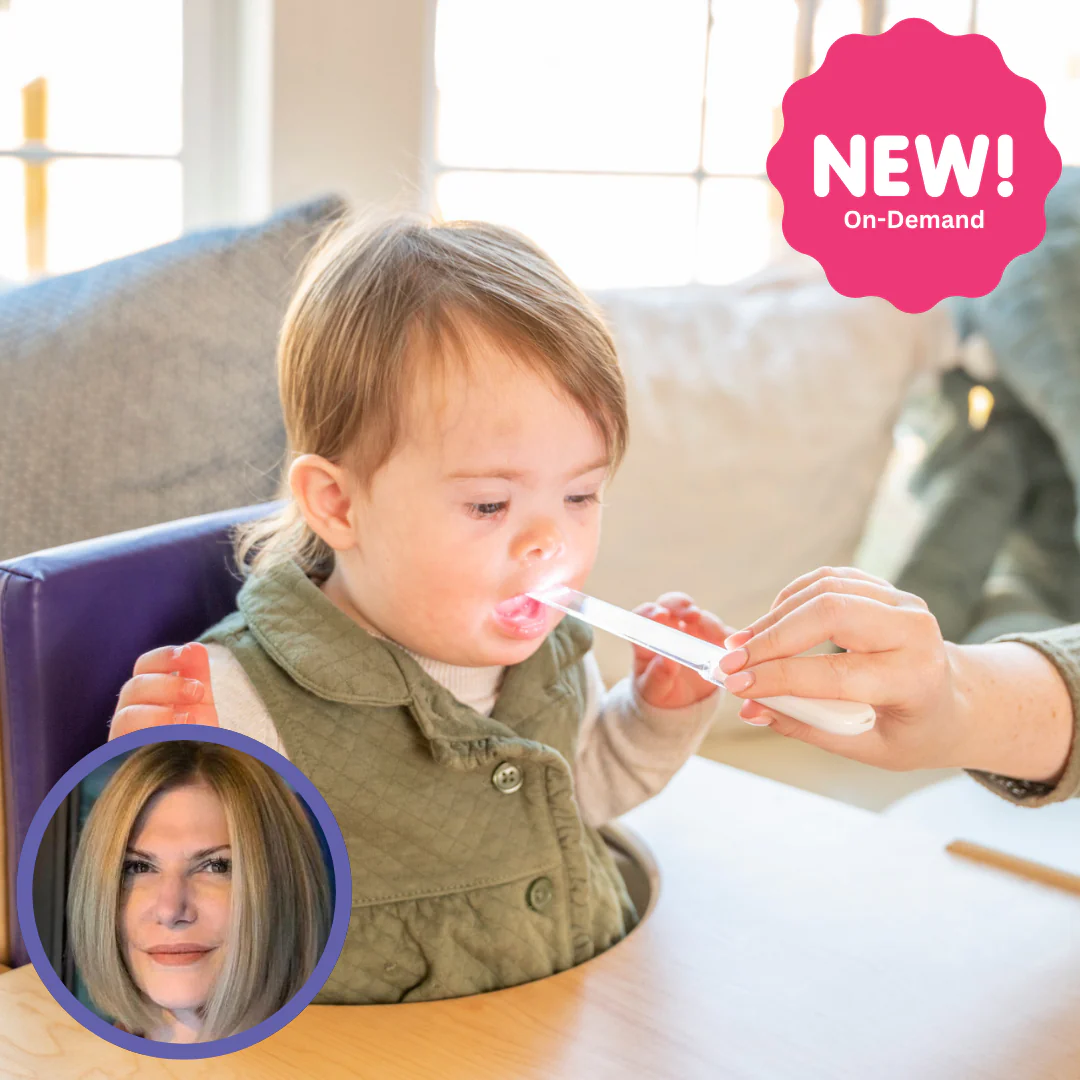
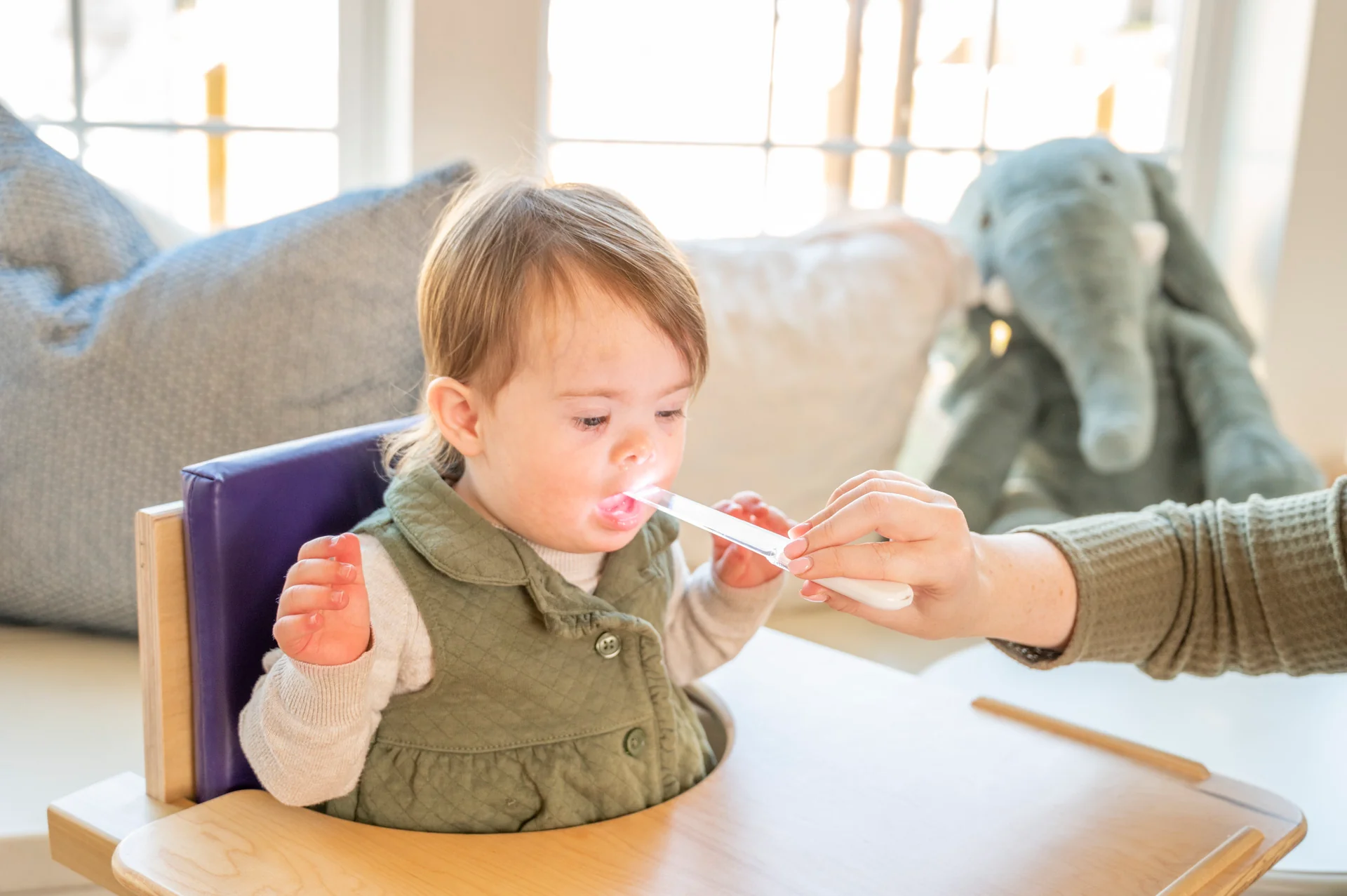
Mealtimes are a central part of a family’s dynamic. Typically, caregivers create a positive experience related to their child trying new foods, where mealtimes are an opportunity for them to engage in interactive discourse and enjoyment to develop appropriate feeding skills. For some families, this is not the case. This session will explore the effects of using caregiver training (CT) via telepractice to improve the caregiver’s use of specific verbal prompts during mealtimes. Caregivers can be taught key phrases and language to use for creating a positive feeding experience. When caregivers note that their child presents difficulties feeding or aversions to new foods, they may identify their child as a “picky eater.”
When a child demonstrates food over-selectivity during mealtimes, their food refusal can negatively impact the overall family dynamic. If the child refuses table foods offered by the caregivers, which disrupts mealtimes, the caregiver may report increased stress levels. A speech-language pathologist (SLP) can provide intervention by using caregiver training (CT) to alleviate a caregiver’s stress and facilitate a positive mealtime environment. Training parents to use specific verbal prompts, which are direct comments of encouragement for the child to accept novel foods, has been proven to improve the overall mealtime experience and a child’s oral intake and food acceptance.
Product Information
Product Information
Shipping & Returns
Shipping & Returns
Description
Mealtimes are a central part of a family’s dynamic. Typically, caregivers create a positive experience related to their child trying new foods, where mealtimes are an opportunity for them to engage in interactive discourse and enjoyment to develop appropriate feeding skills. For some families, this is not the case. This session will explore the effects of using caregiver training (CT) via telepractice to improve the caregiver’s use of specific verbal prompts during mealtimes. Caregivers can be taught key phrases and language to use for creating a positive feeding experience. When caregivers note that their child presents difficulties feeding or aversions to new foods, they may identify their child as a “picky eater.”
When a child demonstrates food over-selectivity during mealtimes, their food refusal can negatively impact the overall family dynamic. If the child refuses table foods offered by the caregivers, which disrupts mealtimes, the caregiver may report increased stress levels. A speech-language pathologist (SLP) can provide intervention by using caregiver training (CT) to alleviate a caregiver’s stress and facilitate a positive mealtime environment. Training parents to use specific verbal prompts, which are direct comments of encouragement for the child to accept novel foods, has been proven to improve the overall mealtime experience and a child’s oral intake and food acceptance.