How to Identify Signs of Poor Sensory Processing (Feeding and Mealtime)
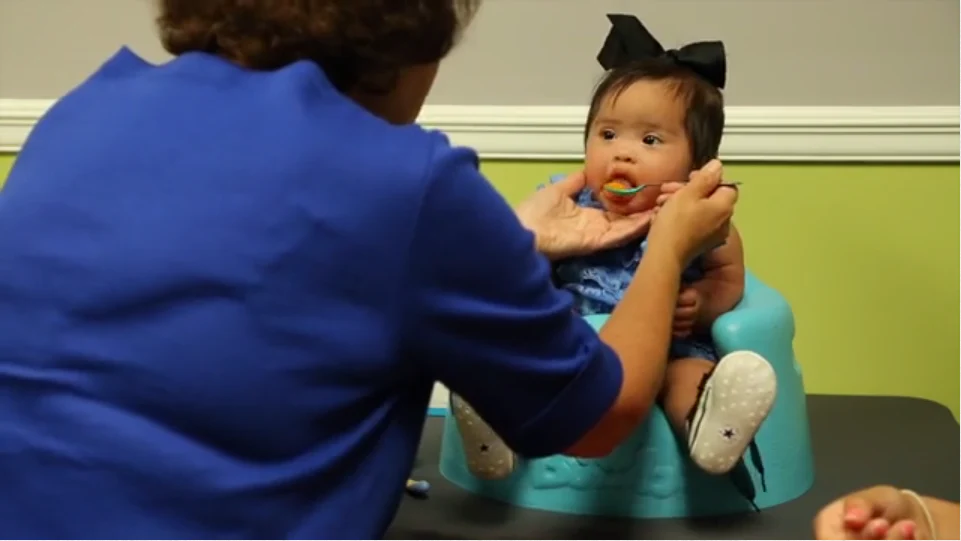
Addressing the underlying cause of feeding difficulties is a crucial step for ensuring sustained feeding progress in the pediatric population that will continue throughout their lifetime. Attendees will learn why sensory processing is a factor for many pediatric clients and common signs that sensory processing is a factor or the dominant cause of feeding difficulties. Attendees will also learn what typical sensory development in childhood is and what it is not, as well as how utilizing 3 specific sensory based strategies as part of treatment can improve the acceptance and management of different foods. During this session attendees will also receive a framework for how often and when to utilize these activities as well as providing guidelines for caregivers to implement at home.
Product Information
Product Information
Shipping & Returns
Shipping & Returns
Description
Addressing the underlying cause of feeding difficulties is a crucial step for ensuring sustained feeding progress in the pediatric population that will continue throughout their lifetime. Attendees will learn why sensory processing is a factor for many pediatric clients and common signs that sensory processing is a factor or the dominant cause of feeding difficulties. Attendees will also learn what typical sensory development in childhood is and what it is not, as well as how utilizing 3 specific sensory based strategies as part of treatment can improve the acceptance and management of different foods. During this session attendees will also receive a framework for how often and when to utilize these activities as well as providing guidelines for caregivers to implement at home.