Organic Speech Sound Disorders: Structure-Muscle-Motor
Speech-language pathologists are frequently challenged by the differential diagnosis and treatment of structural, muscle-based, and motor-based speech sound disorders (SSDs). Accurate clinical decision-making requires integration of structural assessment, muscle function, motor planning and motor execution within a comprehensive evaluation framework.
The American Speech-Language and Hearing Association’s (ASHA) guidance across practice portals also highlights that speech production is influenced by the interaction of structure, muscle function, and motor planning and execution. When disruptions occur in any of these domains, such as orofacial myofunctional disorders, altered muscle tone, or deficits in motor planning or execution, speech clarity may be impacted in different and sometimes overlapping ways. As a result, clinicians must determine whether errors are primarily structural/functional in origin, related to muscle performance, or due to breakdowns in motor planning or execution.
Clinicians are often faced with conflicting information regarding intervention approaches for these organic SSDs. Ongoing debates in the literature (e.g., oral motor therapy vs. nonspeech oral motor exercises, PROMPT vs. DTTC, phonetic placement vs. motor-based approaches) have contributed to uncertainty in selecting appropriate, evidence-informed treatment strategies. This is particularly challenging in complex cases where multiple factors co-occur, and treatment must be prioritized and sequenced effectively.
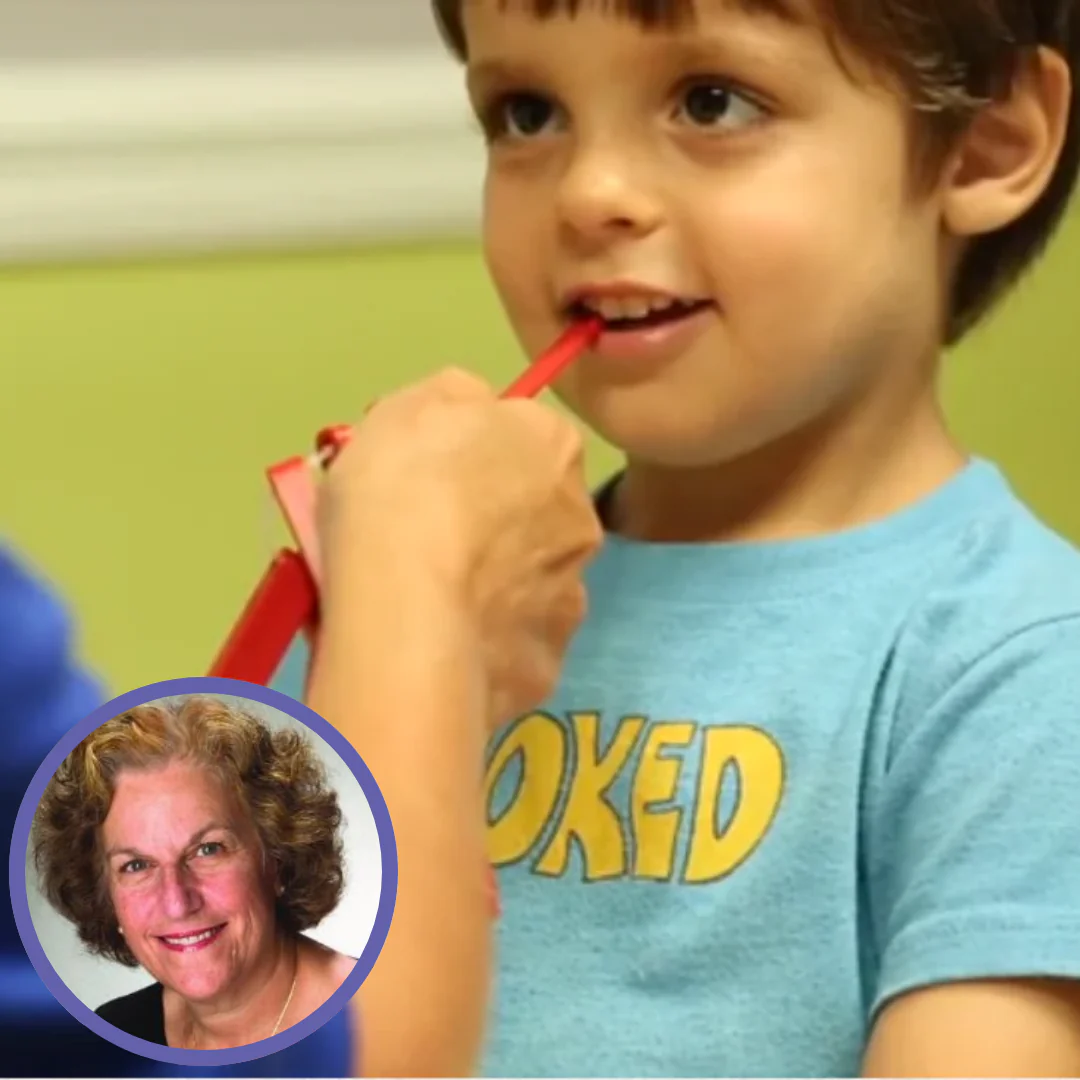
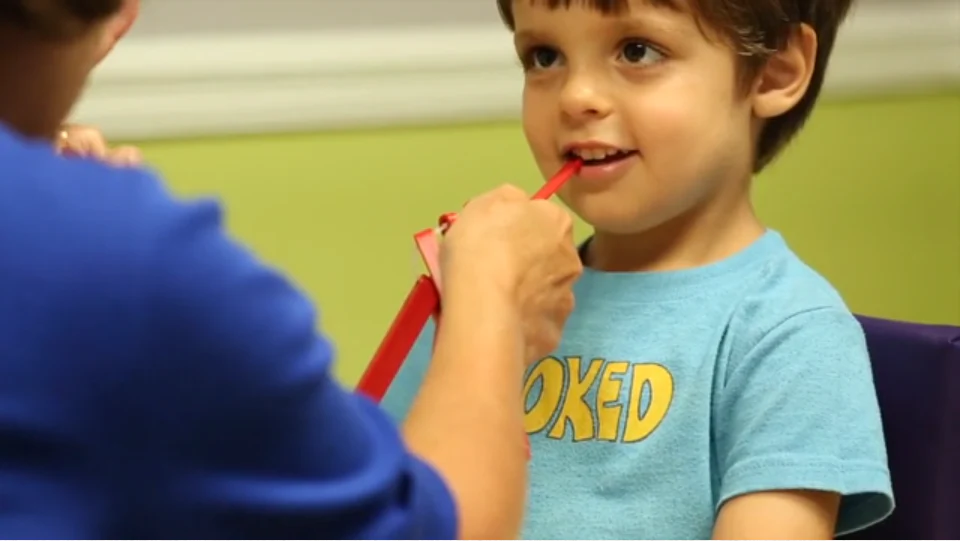
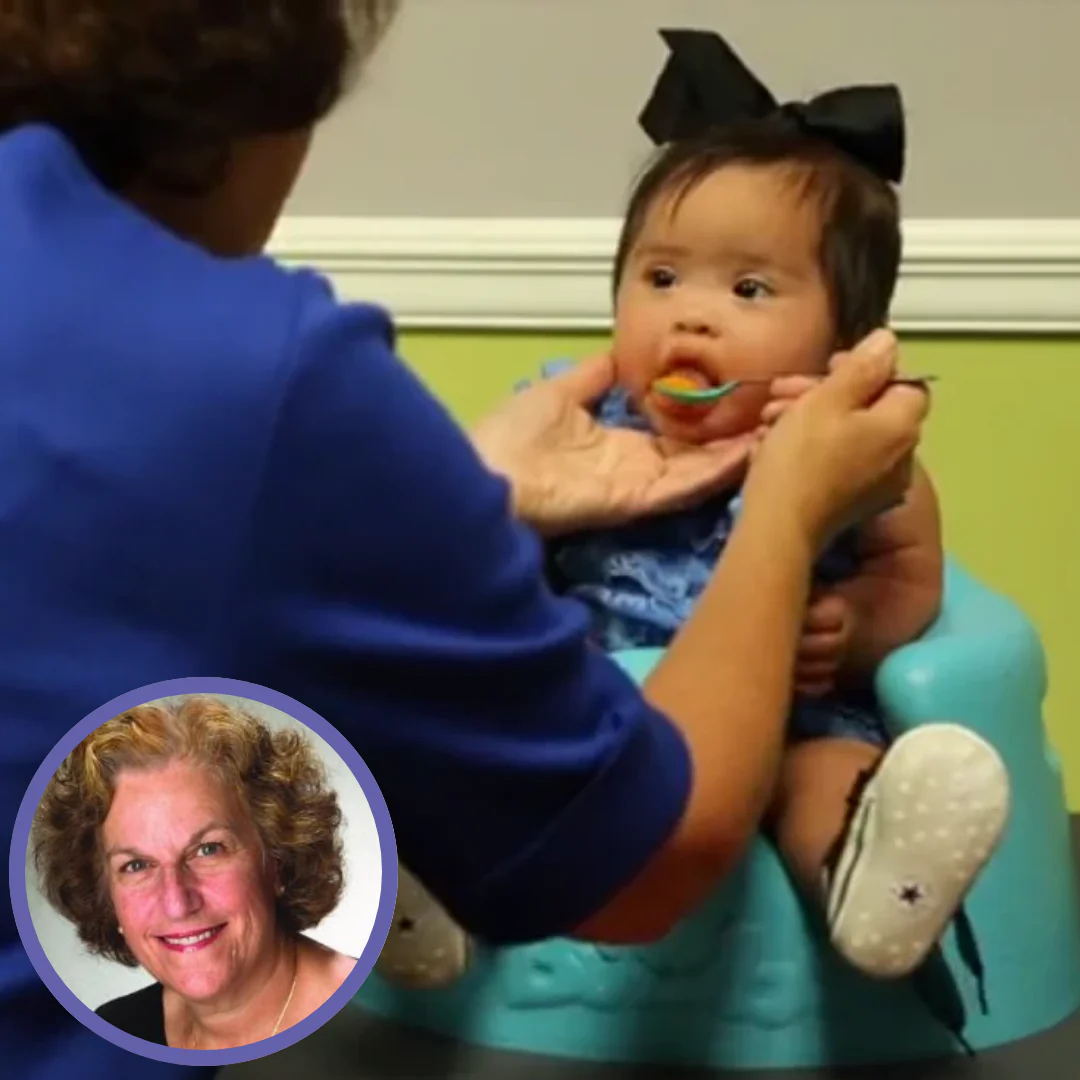
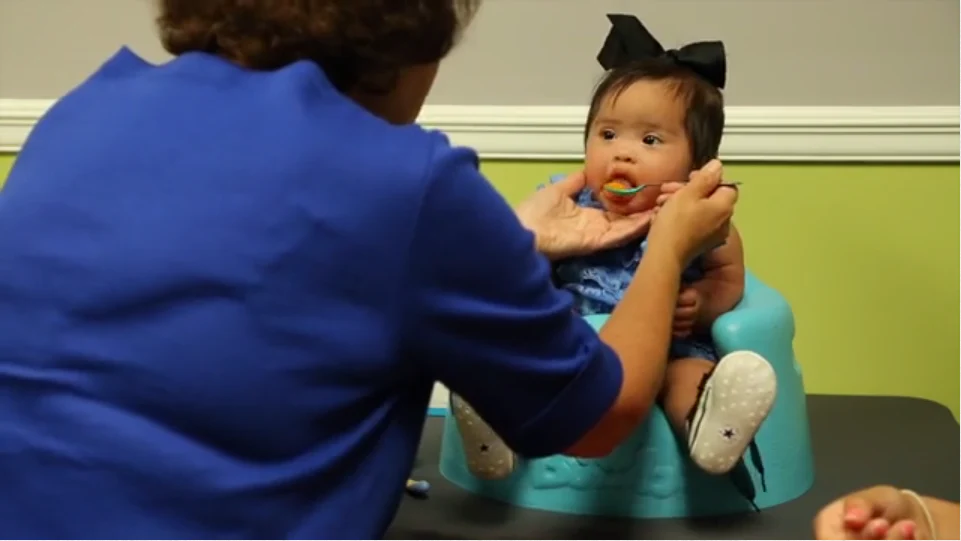
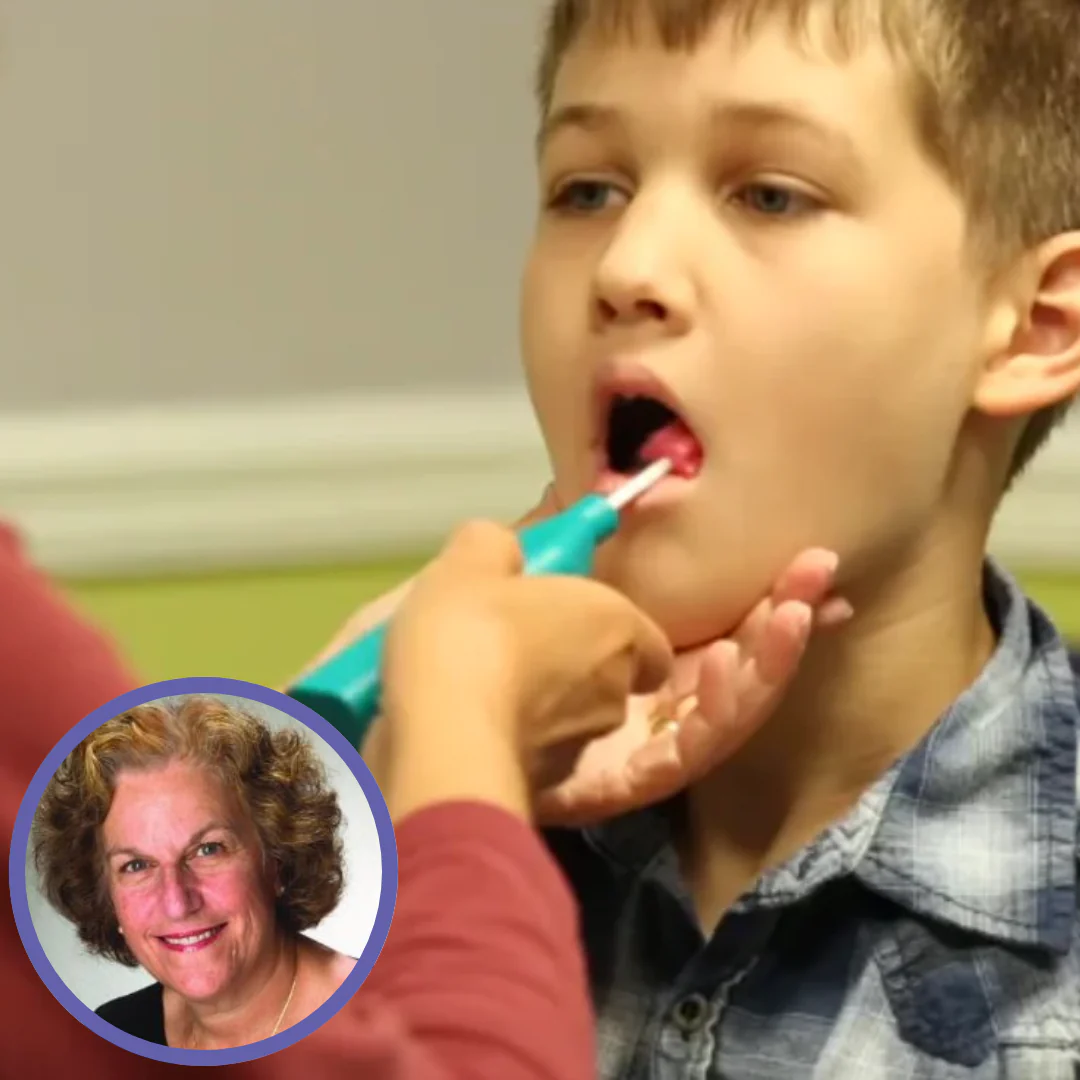
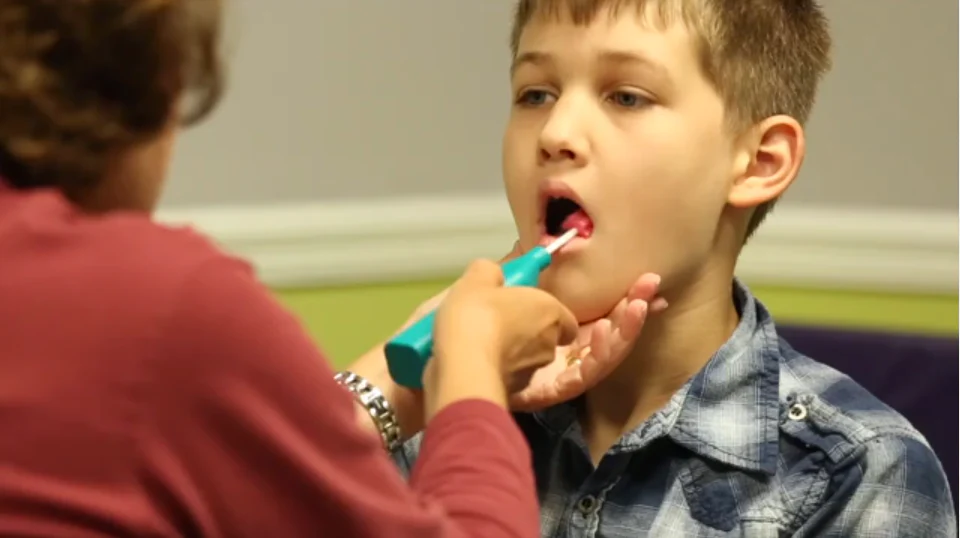
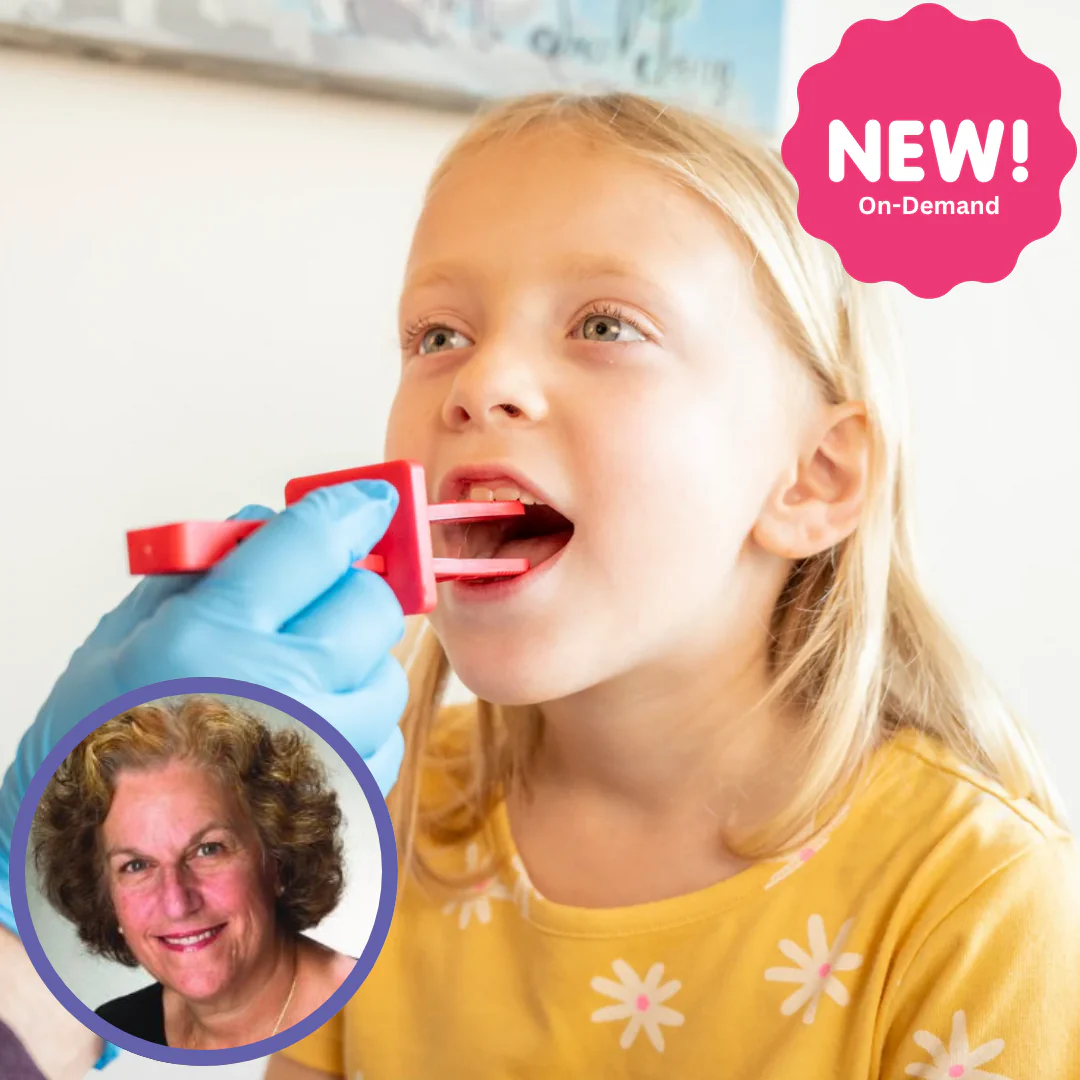
This course will review current evidence and ASHA guidance related to structural, muscle-based, and motor-based SSDs and will provide a practical framework for differential diagnosis. Participants will analyze clinical case videos to identify underlying etiologies affecting speech clarity and will use assessment findings to guide treatment planning. Evidence-informed intervention strategies will be discussed, including tactile cueing, phonetic placement techniques, and systematic word selection based on place shifts and coarticulatory complexity, with emphasis on matching treatment approach to the underlying deficit. Evidence-based reference lists will be provided to support clinical application
.
Product Information
Product Information
Shipping & Returns
Shipping & Returns
Description
Speech-language pathologists are frequently challenged by the differential diagnosis and treatment of structural, muscle-based, and motor-based speech sound disorders (SSDs). Accurate clinical decision-making requires integration of structural assessment, muscle function, motor planning and motor execution within a comprehensive evaluation framework.
The American Speech-Language and Hearing Association’s (ASHA) guidance across practice portals also highlights that speech production is influenced by the interaction of structure, muscle function, and motor planning and execution. When disruptions occur in any of these domains, such as orofacial myofunctional disorders, altered muscle tone, or deficits in motor planning or execution, speech clarity may be impacted in different and sometimes overlapping ways. As a result, clinicians must determine whether errors are primarily structural/functional in origin, related to muscle performance, or due to breakdowns in motor planning or execution.
Clinicians are often faced with conflicting information regarding intervention approaches for these organic SSDs. Ongoing debates in the literature (e.g., oral motor therapy vs. nonspeech oral motor exercises, PROMPT vs. DTTC, phonetic placement vs. motor-based approaches) have contributed to uncertainty in selecting appropriate, evidence-informed treatment strategies. This is particularly challenging in complex cases where multiple factors co-occur, and treatment must be prioritized and sequenced effectively.
This course will review current evidence and ASHA guidance related to structural, muscle-based, and motor-based SSDs and will provide a practical framework for differential diagnosis. Participants will analyze clinical case videos to identify underlying etiologies affecting speech clarity and will use assessment findings to guide treatment planning. Evidence-informed intervention strategies will be discussed, including tactile cueing, phonetic placement techniques, and systematic word selection based on place shifts and coarticulatory complexity, with emphasis on matching treatment approach to the underlying deficit. Evidence-based reference lists will be provided to support clinical application
.